
Modern swine production is built for efficiency. Pig flow, diets, and daily routines are designed to reduce variation and protect performance. Disease challenges can quickly undo that stability.
As production systems become more complex and margins get tighter, the cost of delayed health decisions grows, making preparedness more important than ever.
Many health challenges are tied to known transition points, including weaning, regrouping, mixed site housing, placement into new air spaces, ventilation transitions and periods of rapid weather fluctuation. Even when management practices stay the same year after year, systemwide pressure can remain elevated after these events, especially in the spring.
These risks can be anticipated based on past experiences, so preparing a planned response is key.
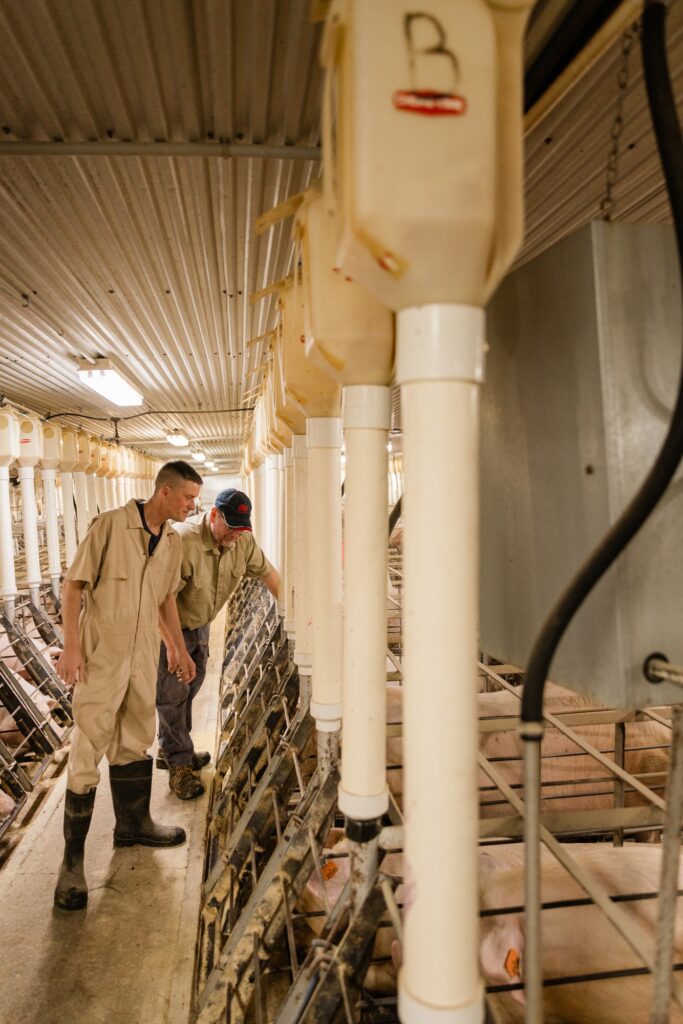
What operational readiness looks like
Operational readiness is not a single decision. Work with your team, including your veterinarian, to develop a protocol that works for your herd and operation. While every system is different, a practical readiness playbook typically includes the following:
- Records of pig flow, site history, ration, feed intake, and seasonal considerations.
- Clear decision criteria that define when to obtain diagnostics, who is accountable and how the results will guide actions.
- Veterinarian-developed treatment guidelines that outline indications, dosage, duration, and approved combination uses.
- When a VFD is required, confirm all details (drug, indication, duration, withdrawal, combination approvals, and feed directions) before the VFD is issued.
- If applicable, a mill execution plan covering sequencing, bin management, label-directed duration, and controls to prevent cross-contamination.
- Monitoring of intake, target dose delivery, and observed response, with documentation of outcomes and any deviations.
A well-rounded protocol requires the right delivery options
Establishing veterinarian‑approved protocols for Type A medicated articles, such as Chlortetracycline (CTC) products including Pennchlor® and Deracin™ helps ensure they are used effectively and in line with their approved indications. These products offer flexibility to swine health programs because they are easy to implement, have broad utility, and come with clear treatment parameters. With approved combination options available, producers have practical choices when building veterinarian-directed protocols.
Developing a clear disease management protocol and fostering a culture of preparedness, rather than reaction, helps ensure decisions are consistent, timely, and aligned with responsible use practices.
Have questions about Type A medicated articles? The Pharmgate Animal Health team has the answers to help you reach your herd health goals. Get connected to a rep today at Pharmgate.com/usa/find-a-rep/.
CAUTION: Federal law restricts medicated feed containing this veterinary feed directive (VFD) drug to use by or on the order of a licensed veterinarian.
QUESTIONS / COMMENTS? For technical assistance or to obtain a Safety Data Sheet(s), contact Pharmgate Animal Health LLC at 1-800-380-6099 or www.pharmgate.com. To report side effects, contact Pharmgate Animal Health LLC at 1-833-531-0114. For additional information about reporting side effects for animal drugs, contact FDA at 1-888-FDA-VETS or http://www.fda.gov/reportanimalae
© 2026 Pharmgate Animal Health. Pennchlor® is a registered trademark of Pharmgate Inc. Deracin™ is a trademark of Pharmgate Inc. 2015-0326